
AMR

We cannot predict everything. We can try.

Predictive maintenance is an engineering practice. But the question underneath it is older than engineering, and philosophers asked it first: how should we act when we cannot know what happens next?

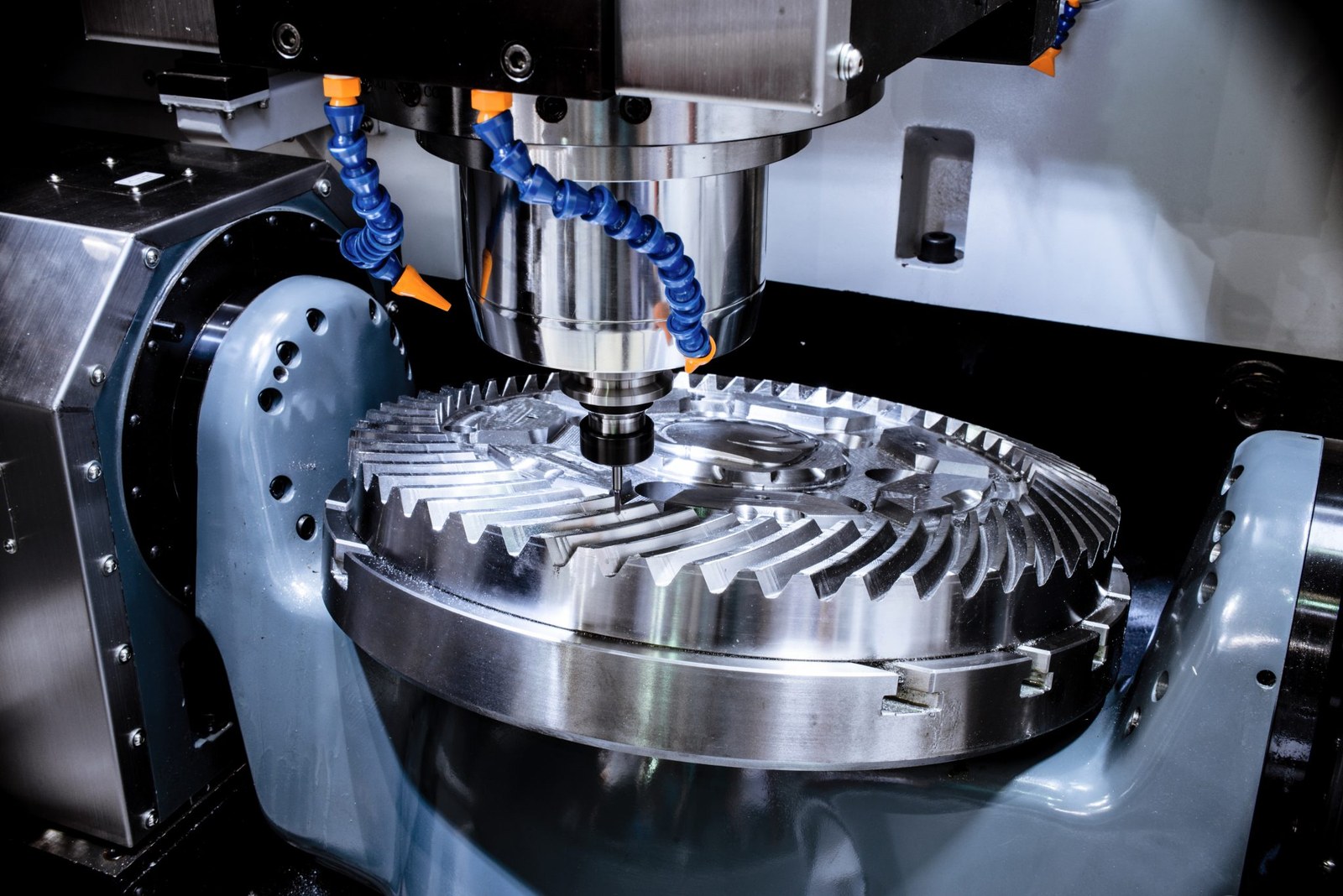
A machine shop, where the clock and the cloud meet.

The art of guessing well

In 1713, Jacob Bernoulli's Ars Conjectandi, "the art of conjecturing", argued that when certainty is out of reach we are not helpless: we can measure how likely things are and act on that. A maintenance planner who says "this bearing has a one in five chance of failing this month" is speaking Bernoulli's language, three centuries later.

The demon that does not exist

In 1814, Pierre-Simon Laplace imagined an intelligence that knew every force and every position in the universe and could therefore predict everything. The same essay admits that we are very far from it, and that probability exists because of our ignorance. Laplace's demon is the dream of perfect prediction, and the whole history of reliability engineering is the story of what we do instead.

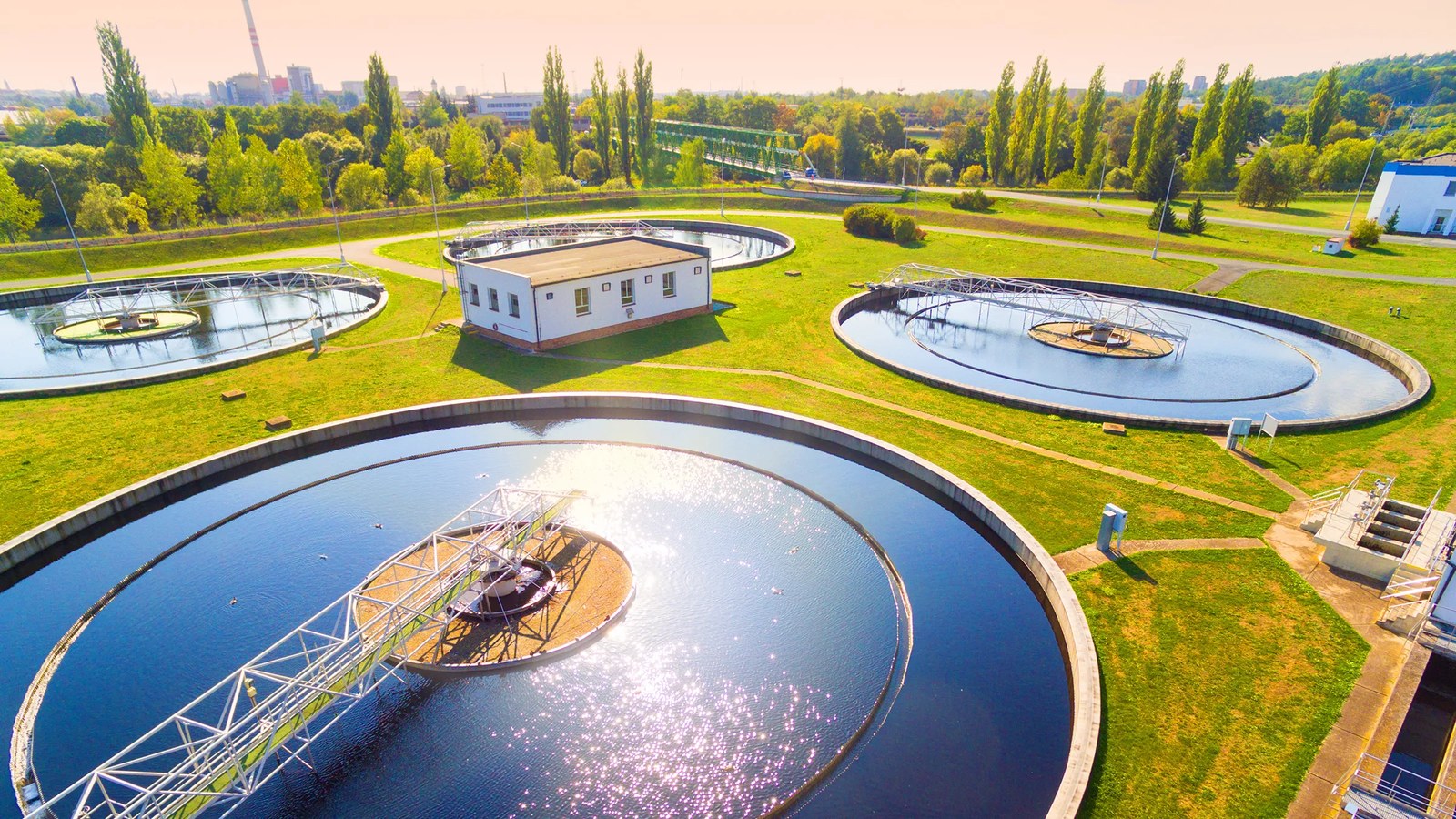
A pump hall: regular by design, unpredictable in wear.

Clouds, not clocks

In a 1966 lecture, Karl Popper argued that the world is neither a precise clock nor a pure cloud of chance. Most things sit in between: partly regular, partly unpredictable. A machine is exactly that. Its running speed is a clock, and the way a bearing wears is a cloud. A good system respects both: it learns the clock and watches the cloud.

Predict what can be predicted. Say plainly what cannot. Never confuse the two.

Failure does not follow the calendar

For most of the twentieth century, maintenance followed the calendar: replace the part after so many hours. Then reliability engineers measured what actually happened. Weibull described failure distributions in 1951. In 1978, Nowlan and Heap, studying aircraft for United Airlines, reported that roughly 89% of the failure patterns they examined showed no link between a component's age and its chance of failing. Their result comes from aviation and is still debated for other industries, but its message holds: replacing a part on a date often throws away good parts and still misses the failure.

If failures are not driven by age, the only honest way to know a machine's state is to look at the machine.

The swan no sensor sees

In 2007, Nassim Nicholas Taleb argued in The Black Swan that rare, high-impact events are by nature the ones our models miss. This is the humility every predictive system needs. A sensor on a bearing will not see a flood, a power surge or a dropped load. Anyone who promises you zero surprises is selling you a clock and calling it a cloud.

Heavy equipment: where the rare event costs most.

What the numbers say today

Engineering has taken the philosophers' stance and turned it into measurements. Published research puts a price on the cost of not looking, and a range on what looking can change.

Up to 70⁠–⁠75%

fewer breakdowns in the best predictive maintenance programmes, compared with run-to-failure maintenance.

This is a best case from an older US government guide. Typical results are lower: McKinsey reports 30⁠–⁠50% less machine downtime.

US DOE 2010

How AMR turns signals into planned repairs

  1. Listen

    Sound and vibration show wear and imbalance early.

  2. Check

    Surface heat confirms friction and overheating.

  3. Act

    The platform explains the likely cause and produces a work order, so a sudden failure becomes a planned repair.
11%

Unplanned downtime costs the 500 largest companies $1.4 trillion a year, about 11% of revenue.

Siemens 2024The True Cost of Downtime

$125,000

One hour of unplanned downtime costs $125,000 on average.

ABB 2023Unplanned downtime survey

5⁠–⁠15%

Facility downtime falls 5⁠–⁠15% and labour productivity rises 5⁠–⁠20%.

Deloitte 2022Predictive maintenance perspective

30⁠–⁠50%

Predictive maintenance typically cuts machine downtime 30⁠–⁠50% and extends machine life 20⁠–⁠40%.

McKinsey 2017Analytics in manufacturing

These are published industry figures, not AMR results. Averages are not promises.

Where this goes

The next generation of plants will not run on calendars. They will run on trends: each machine compared with its own past, every drift caught while it is still small, every repair planned for the shift where it costs least.

That future is built from small, honest predictions. Not "this machine will fail on Tuesday", but "this machine has left its normal, here is the evidence, here is the likely cause, and here is how fast the risk is growing". The prediction is only useful if it is scored afterwards: what we said would happen, what happened, and what we learned. That is the discipline we want AMR to keep.

We will not predict everything. We can try, and we can be honest about how well we did.

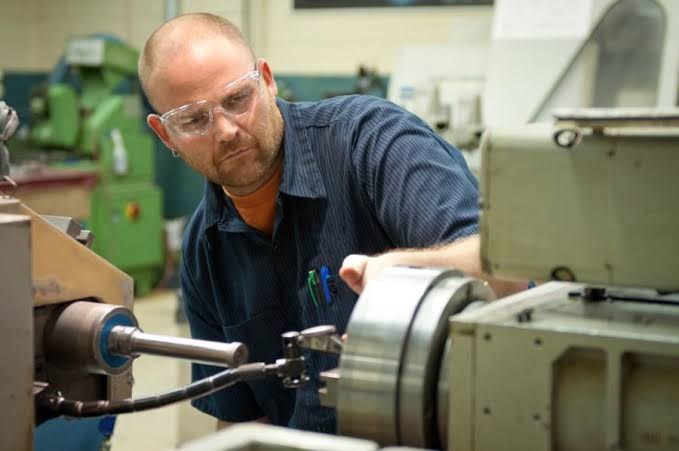
A technician checking a machine by hand.
60-day trial

Your free 60-day trial: see what AMR saves you.

We put a puck on the machine that worries you most. After 60 days you get a report, in euros, of what it found and what an avoided stop is worth to you, so the savings are measured on your own plant.